(The first signs were not in the data. They were in the silence.)
Here is a quick story about how being misunderstood saved a $2.8B company.
March 2020.
Everybody is panicking.
Small businesses, Vistaprint's core customers, are being forced to shut down left and right.
Their empty storefronts tell a story scarier than any data could.
And everyone thought Vistaprint was just another printing company.
You know the type. Business cards, banners, brochures.
Everyone was wrong.
The Hidden Truth
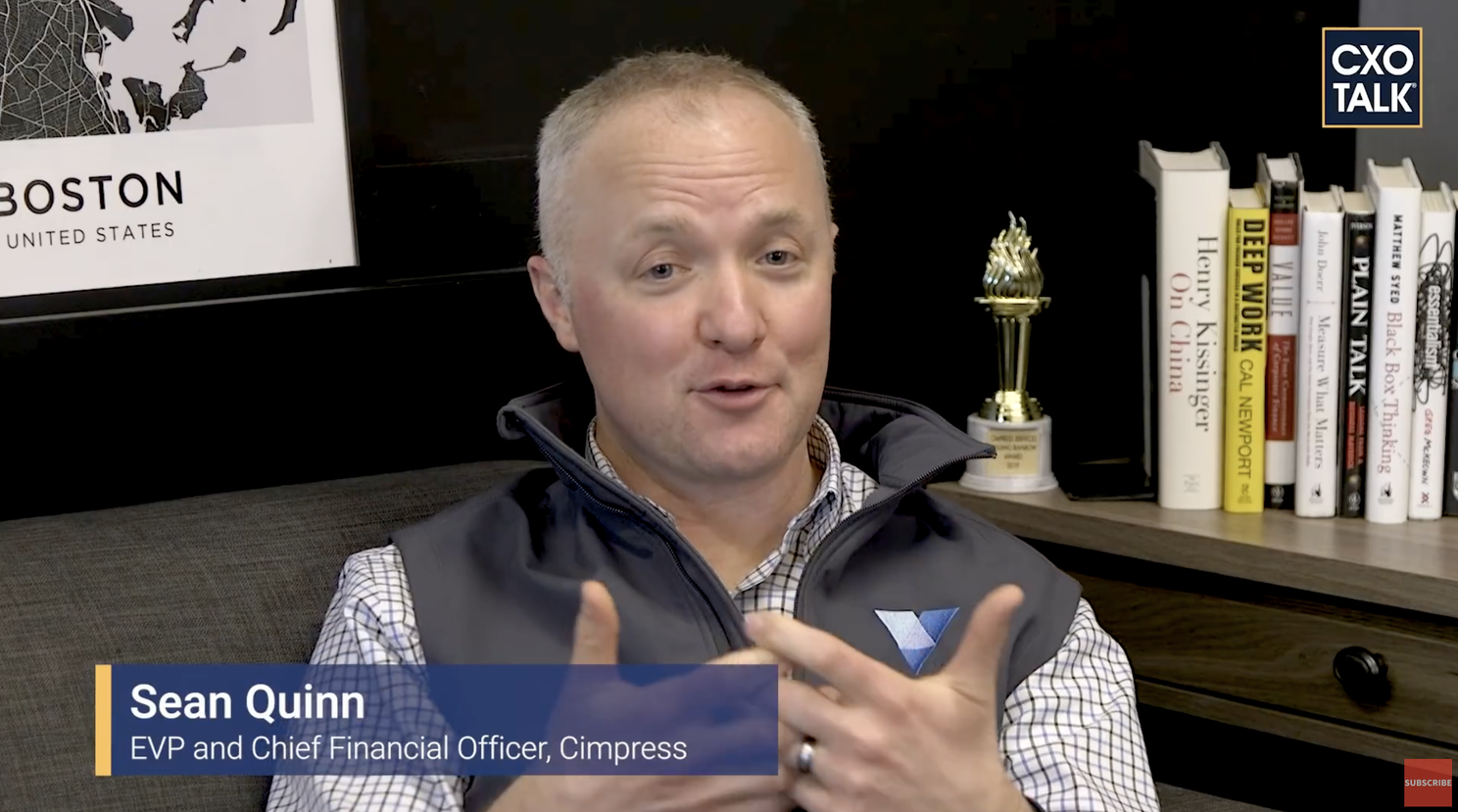
Vistaprint's CFO Sean Quinn saw something different.
And he had been saying it for years.
"We are a technology company that happens to print."
Sounds like corporate BS?
Let me show you what was really going on behind the scenes:
Tech that made small-batch production profitable (when others could not). Data systems that spotted market shifts before anyone else. Teams that could move fast (no corporate red tape). Long-term thinking that encouraged investments in capabilities others thought were "a waste."
Crisis Revealed Their Superpower
When COVID hit, that hidden identity became their superpower.
While competitors froze, Vistaprint went into hyperdrive.
Two weeks.
That is all it took them to retool and launch an entirely new product line and e-commerce platform for customizable face masks.
How were they able to do it so fast?
Because they were not really a printing company.
They were a tech company in disguise.
Personal feelings about COVID or face masks aside, there are some huge lessons here that are worth paying attention to.
Beyond the Pivot
The transformation did not stop there. They also revamped their mobile experience, kept core business running while others struggled, and turbocharged their e-commerce game.
The craziest thing about it: None of these capabilities were new.
They were there all along, hidden behind the "printing company" facade.
Sometimes your greatest assets are invisible, until pressure forces you to see them differently.
The Power of Hidden Assets
Here is the thing about most business leaders.
They make three massive mistakes.
They miss valuable assets sitting right in front of them. They have zero system to monetize what they already own. They chase shiny new things instead of using what they have.
While everyone else is burning cash on new initiatives, smart businesses are quietly making more by maximizing what they already own.
Your company's next breakthrough? It is probably already there.
Hidden in plain sight.
Three Steps to Unlock Your Hidden Assets
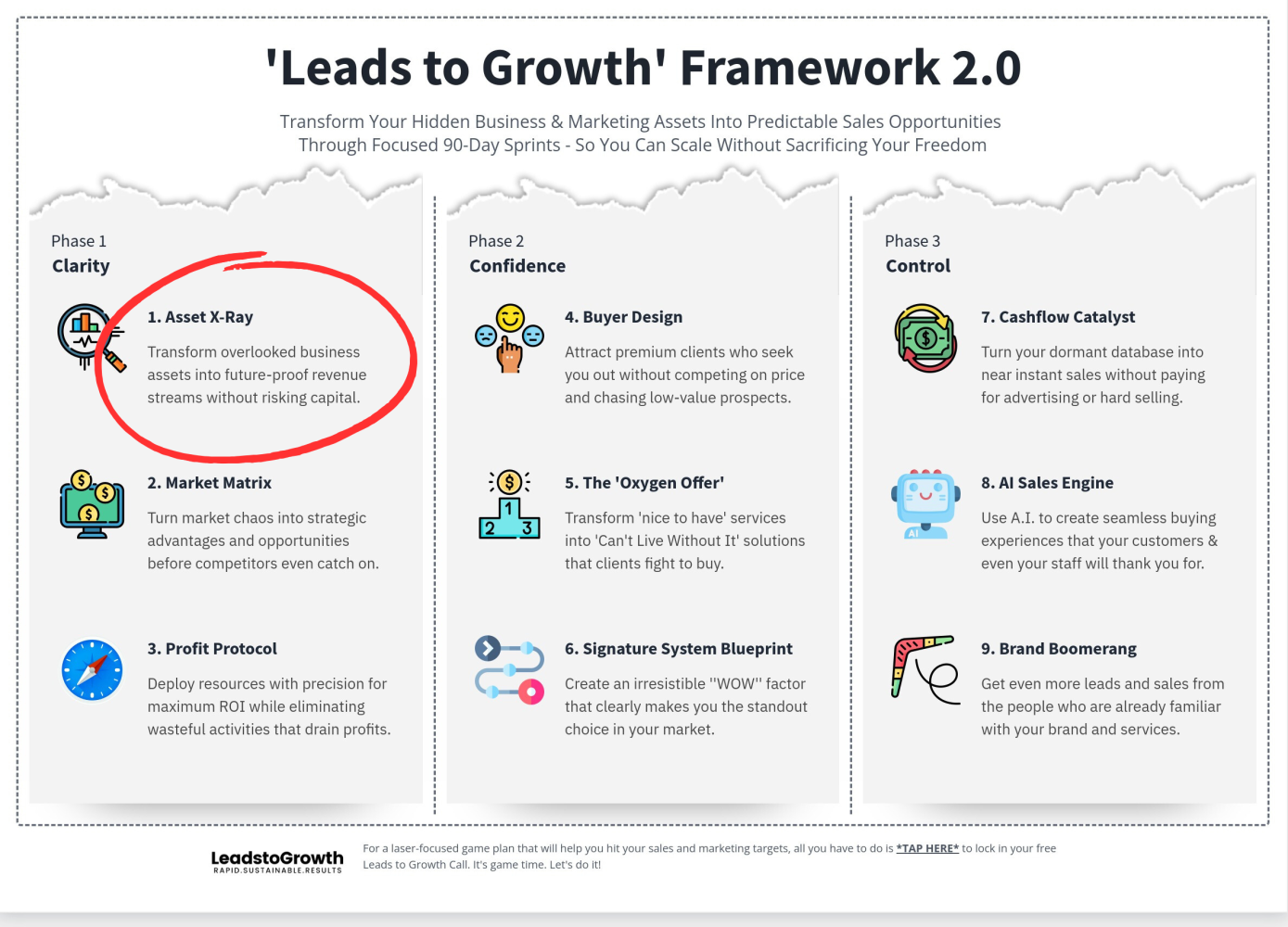
That is where the Asset X-Ray comes in (Step 1 of the Asset Alchemy Method).
Here is the playbook:
Run the Asset Audit: Quick, brutal honesty about what you are already sitting on (but not using).
Get Crystal Clear: Figure out why you have been leaving money on the table. No judgement. Just be honest with yourself.
Fire up the Profit Compass: Pick the exact assets to leverage right now for fast cash flow. Without burning money on expensive customer acquisition.
Then use the next 90 days to act on whatever you uncover.
That is it.
Because your next breakthrough is not about building something new.
It is about seeing what has been right there all along.
Stay surgical,
Colin Taylor
Creator of The Asset Alchemy Method
Frequently Asked Questions
What does the Vistaprint story teach about hidden business assets?
Vistaprint was seen as "just a printing company" but was actually a technology company that happened to print. When crisis hit, their hidden tech capabilities let them retool in two weeks while competitors froze. The lesson: your most valuable assets may be invisible behind the label the market has given you. Most businesses make three mistakes: missing valuable assets in front of them, having no system to monetize what they own, and chasing new things instead of leveraging what they have. This is the same pattern explored in the AI devaluation analysis where businesses chase efficiency instead of optimizing proven assets.
What is the Asset X-Ray diagnostic?
The Asset X-Ray is Step 1 of the Asset Alchemy Method. It is a systematic audit that identifies what you are already sitting on but not using. It involves three steps: running a brutally honest asset audit, getting crystal clear on why you have been leaving money on the table, and firing up the Profit Compass to pick exact assets to leverage for fast cash flow. Most entrepreneurs discover $20K-$50K+ in dormant value. Understanding the Profit Compass Framework shows how the 80/20 principle reveals where your critical 20% of assets drive 80% of results.
How do I identify hidden assets in my business?
Start by asking: "What capabilities do we have that the market does not see?" Vistaprint had tech, data systems, agile teams, and long-term investments that were invisible behind their printing label. In your business, look at proven systems you built but stopped using, content gathering dust, dormant contact lists, undocumented expertise, and relationships you have not leveraged. The key question from the Million Dollar Prison analysis is: What have you built that has hidden value you are not extracting?
Why do businesses miss their own most valuable assets?
Three reasons: proximity bias (you are too close to see it), label blindness (you accept the market's definition of what you are), and shiny object syndrome (new feels more exciting than optimizing what exists). Vistaprint's CFO had been saying "we are a tech company" for years, but it took a crisis to force everyone else to see it. Do not wait for a crisis. Run the Asset X-Ray now and recognize that your lived experience and existing assets are your real competitive advantage.